Understanding Iran’s Social Etiquette
Iran is a country rich in cultural heritage, with deeply rooted social norms and traditions that have evolved over thousands of years. For travelers visiting in 2025, understanding and respecting these cultural etiquettes is essential for a positive and rewarding experience. From greetings and dress codes to hospitality and communication, this guide covers key aspects you need to know.
Greetings and Social Interaction
In Iran, greetings are warm and formal. A common greeting involves saying “Salam” (hello) accompanied by a handshake or placing the right hand over the heart. Between men and women, physical contact is less common due to cultural and religious customs; a respectful nod or verbal greeting often replaces handshakes. When meeting elders or respected persons, it’s customary to use titles such as “Agha” (Mr.) or “Khanum” (Ms./Mrs.).
Dress Code and Modesty
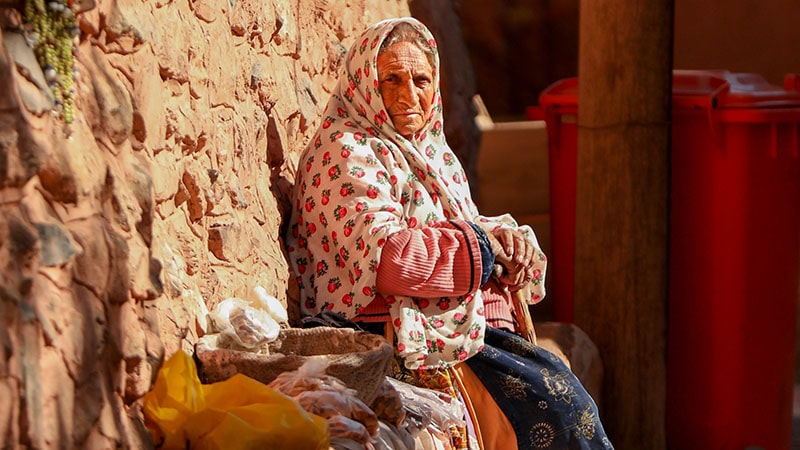
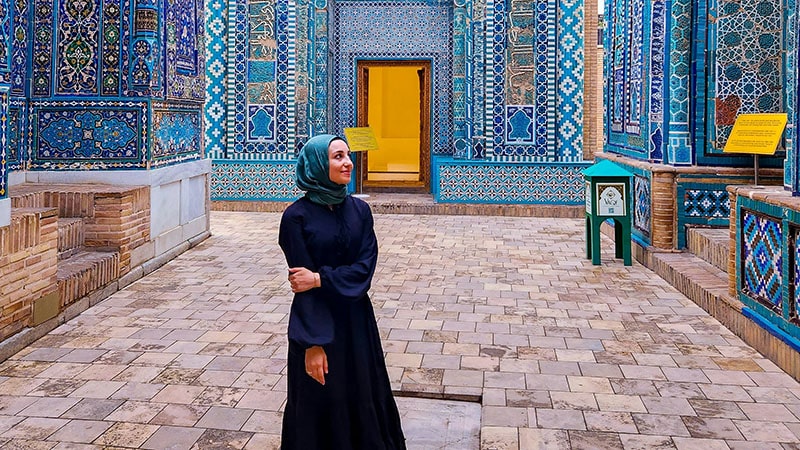
Modesty in dress is highly valued across Iran. Women are legally required to cover their hair with a headscarf and wear loose-fitting clothing that covers arms and legs. Men should avoid wearing shorts or sleeveless tops in public. Many tourists find that following these guidelines shows respect and avoids unwanted attention or fines. In more tourist-friendly areas like Tehran or Isfahan, enforcement is more relaxed, but discretion is advised.
Hospitality and Visiting Customs
Hospitality is a cornerstone of Iranian culture. Visitors are often invited for tea or meals, and it is polite to accept. Removing shoes before entering someone’s home is customary, and bringing a small gift such as sweets or flowers is appreciated. When dining, try a bit of every dish offered to show appreciation. It is also respectful to wait for the eldest or host to start eating first.
Communication Style and Body Language
Iranians tend to communicate warmly and indirectly, valuing politeness and avoiding confrontation. Direct “no” answers are often softened or avoided to preserve harmony. Maintaining eye contact shows sincerity, but excessive staring may be perceived as rude. Gestures such as pointing with the thumb or snapping fingers are considered impolite.
Religious and Cultural Sensitivities
Iran is an Islamic republic, and religion influences many social norms. During religious observances such as Ramadan, eating, drinking, or smoking in public during daylight hours is discouraged. Public behavior should remain respectful around mosques and religious sites. Photography restrictions may apply in some areas, so always ask permission.
Gender Interaction and Social Norms
Interactions between men and women who are not related can be conservative. Public displays of affection are frowned upon. Tourists should avoid behaviors that could be interpreted as inappropriate. Understanding these norms helps avoid misunderstandings and fosters respectful connections.
Cultural Celebrations and Festivals
Participating in cultural festivals like Nowruz (Persian New Year) or Yalda Night offers insight into Iran’s social fabric. During these times, communal meals, poetry recitations, and traditional music are common. Visitors are encouraged to observe and join respectfully.
Tips for Travelers
- Learn basic Persian greetings and polite phrases to show respect.
- Observe and follow local customs, especially regarding dress and gender interaction.
- Be patient and open-minded; cultural differences may require adjustments.
- Always ask before taking photos of people or sensitive sites.
- Respect religious practices and spaces.
- Engage with locals to learn more about traditions and culture.
Conclusion: Embracing Iran’s Cultural Richness
By respecting Iran’s cultural etiquette and social norms, travelers can enjoy deeper connections and unforgettable experiences in this historic and hospitable land. With thoughtful preparation and sensitivity, your 2025 visit to Iran can be both respectful and richly rewarding.
For personalized cultural insights and travel support, contact Honest Guide Iran. Get in touch and travel smarter.